
As more pollutants and pathogens spread through public spaces, ensuring your home’s air is clean has never been more critical. You spend so much time at home, and you shouldn’t have to worry about getting sick or triggering your allergies. Clean air means a safe and healthy home, but maintaining air quality requires the right equipment and techniques. Below, we discuss the importance of air quality and what steps you can take to improve it.
Why Indoor Air Quality Matters in Denton

The quality of the air in offices, schools, and homes can significantly affect your health. According to OSHA, poor indoor air quality can cause symptoms such as headaches, fatigue, difficulty concentrating, and irritation of the eyes, nose, throat, and lungs.
Asthma, various diseases, chronic illnesses, and allergies have been linked to specific air contaminants or damp indoor environments. Maintaining your property’s air quality ensures your home is comfortable and safe, reducing the risk of illness.
Clean Your Air Ducts Professionally
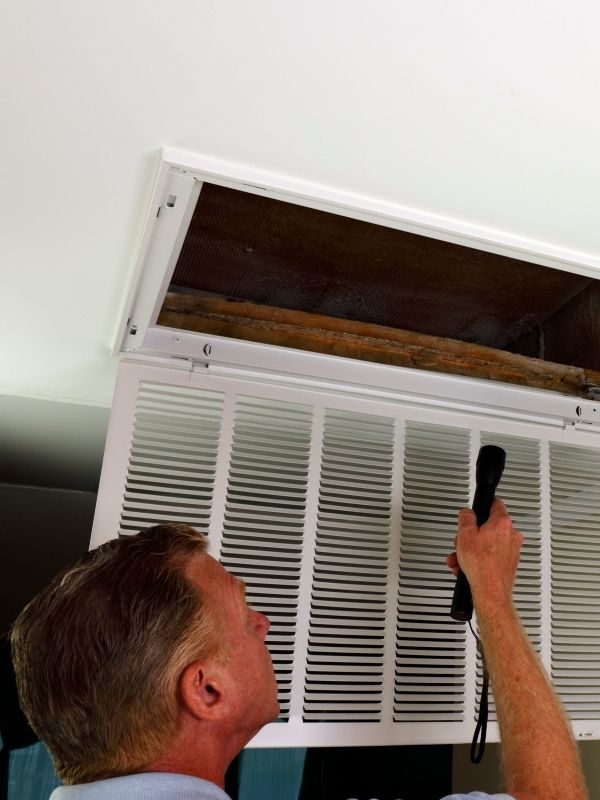
Without proper installation, operation, and routine maintenance, HVAC components in traditional air duct systems can become contaminated with pollutants, including pollen, dust, and other debris. In certain conditions, air ducts can become hotbeds for mold and pests. The presence of any of these pollutants can lead to problems ranging from allergic reactions to respiratory disease.
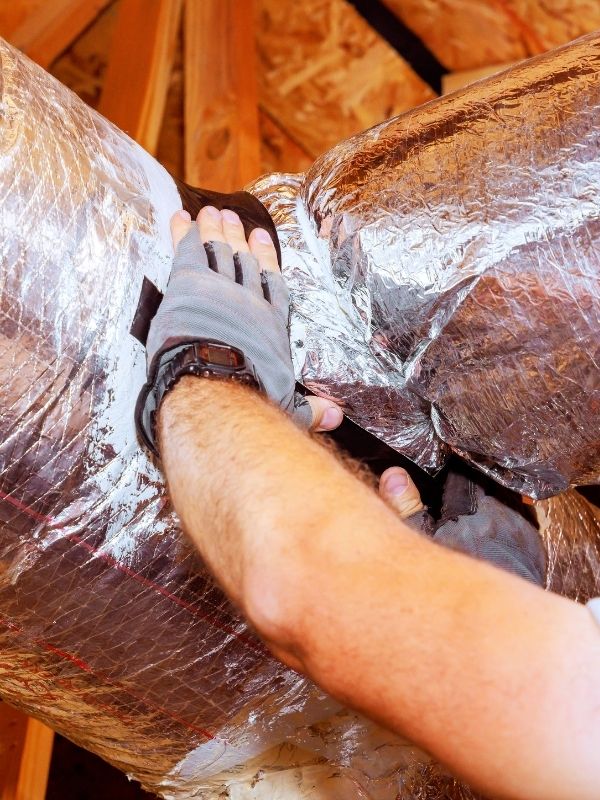
When you decide it’s time to have your heating and cooling system cleaned, it is crucial to ensure the service provider is qualified, as improper cleaning can recontaminate the entire system and eliminate any potential benefits. Professional technicians use specialized tools to dislodge dirt and debris, then clear the ducts with a high-powered vacuum cleaner. In addition, many providers suggest applying chemical biocides to kill microbial contaminants in the ductwork and other system components.
Control Indoor Humidity Levels
Moisture and humidity can affect your home in many ways. Water can enter your home through leaks, and even showers and cooking can release excess moisture into the air. When moisture accumulates, it can encourage the growth of biological pollutants, such as mold. According to the EPA, some of the best ways to control moisture levels in your home include:
- Fixing leaks and seepage
- Putting a plastic cover over dirt in crawlspaces to block moisture from the ground
- Using exhaust fans in bathrooms and kitchens to remove moisture
- Turning off certain appliances (such as humidifiers or heaters) if you notice moisture on windows and other surfaces
- Using dehumidifiers and air conditioners, especially in hot, humid climates
- Raising the temperature of cold surfaces where moisture condenses
- Enhancing insulation or installing storm windows
- Opening doors between rooms
- Increasing air and heat circulation by using fans and moving furniture away from the walls
- Paying special attention to the carpet on concrete floors
Upgrade to Whole-Home Air Purifiers
One of the most effective ways to improve indoor air quality is to reduce or eliminate sources of pollutants. According to OSHA, filtration can be an effective supplement to source control and ventilation. Using a portable air cleaner or upgrading the air filter in your furnace or central HVAC system can help improve indoor air quality. Portable air cleaners or purifiers filter the air in a single room or area, while central furnaces or HVAC systems filter air throughout a home.
The effectiveness of an air cleaner depends on how well it collects pollutants (expressed as a percentage efficiency rate) and how much air it draws through the cleaning or filtering element (expressed in cubic feet per minute). Using both air purifiers and HVAC filters reduces the amount of circulating contaminants and removes any leftover pollutants.
Improve Ventilation During Cooking & Cleaning
Ventilation is key to removing or diluting indoor airborne pollutants, and reducing air contaminants improves indoor air quality. However, most home heating and cooling systems do not mechanically bring in fresh air; they simply circulate the existing air.
Opening windows and doors, operating window or attic fans, or running a window air conditioner with the vent control open are great ways to increase ventilation. Bathroom or kitchen fans that exhaust outdoors remove contaminants directly from the room and also improve ventilation.
Add Air-Purifying Indoor Plants
Did you know that houseplants can help clean the air in your home? According to a NASA study, scientists found that many popular houseplants (along with the microorganisms in the potting soil) can remove some common airborne toxins.
Houseplants shown to improve indoor air quality include:
- Bamboo palm
- Banana plant
- Chinese evergreen
- Dracaena fragrans (corn plant)
- Dracaena Janet Craig
- Dracaena warneckii
- English ivy
- Florist’s daisy (garden mum)
- Golden pothos
- Mother-in-law’s tongue
- Snake plant
- Lacy philodendron
- Spider plant
- Weeping fig
Improve Your Indoor Air Quality With Cote’s Heating and Air Conditioning
Cote’s Heating and Air Conditioning is dedicated to ensuring that all residential homes in the Denton area have access to clean air. We do this by offering state-of-the-art air duct inspection and cleaning services. Contact us today for more information on our services or to schedule an appointment.
Frequently Asked Questions
Pollutants like dust, pollen, and mold are the most common causes of poor indoor air quality.
Air duct cleaning is recommended every 3 to 5 years.
The best air purifier depends on several factors. OSHA provides a guide for choosing the perfect air purifier for your home.
Yes. Excess humidity can promote mold growth, leading to respiratory issues and chronic health conditions.
Studies suggest that certain houseplants can improve air quality, but their effectiveness has been debated.